
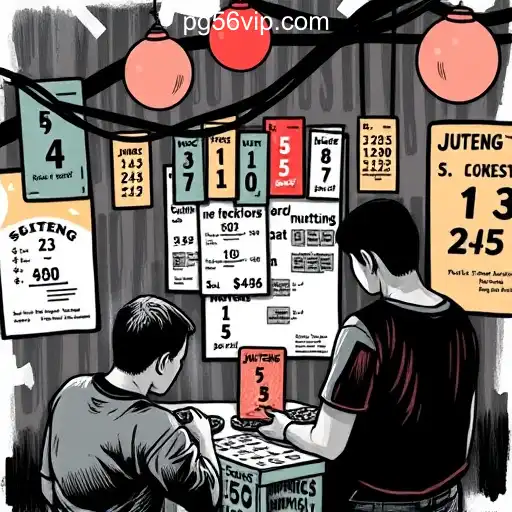

Understanding the Complexity of Jueteng and Its Influence
Jueteng is a numbers game deeply embedded in the social and cultural fabric of the Philippines. Its history, though shrouded in ambiguity, reveals much about the economic and social dynamics in Filipino communities. Despite its illegal status, Jueteng continues to thrive, driven by the fundamental human desire to gamble and hope for financial windfalls.
The Historical Roots of Jueteng
Tracing back to the Spanish colonial period, Jueteng has been a persistent force in the local gambling scene. The name originates from two Chinese words: "Hua" (flower) and "Teng" (to bet). This reflects the blend of local and foreign influences that have shaped the Filipino culture. Over the years, Jueteng evolved from a simple game akin to lottery into a complex system involving runners, kobradores, and jueteng lords.
The Mechanics of Jueteng
Jueteng operates on a seemingly straightforward principle. Players choose a combination of numbers, usually between 1 and 37. If their number is drawn, they win a prize. The allure lies in its simplicity and relatively low cost of entry, attracting participants from various economic strata. However, its operations are far from simple. A dense network of personnel and players defines the game, with the entire operation often shielded by local protection rackets or even corrupt officials.
Economic Impact and Bribery
Despite its illegality, Jueteng provides a source of income for many impoverished citizens. It offers a quick escape from the monotony of daily hardship. However, the shadow of bribery and corruption looms large. Authorities often turn a blind eye or actively participate in exchange for bribes, compelling a systemic issue that stretches beyond mere gambling.
Jueteng and Its Social Dimensions
The game’s persistence is deeply rooted in the societal landscape of the Philippines. For many, Jueteng offers an opportunity for social interaction and a distraction from economic hardships. Its operators often blur the lines between criminality and community service, sometimes using profits to support local initiatives or aid the needy, thus maintaining public favor.
Community and Collectivism
The communal nature of Jueteng cannot be understated. It thrives on the collectivist culture of Philippine society, where group activities and shared experiences are valued. This sense of community becomes a paradoxical force, supporting an illegal enterprise due to its perceived communal benefits.
Comparisons With Online Betting Platforms
As technological advancements reshape global gambling landscapes, parallels can be drawn with modern online betting platforms such as 56VIP.com platform-online Slots Brasil #1. These platforms invite a broader audience due to their accessibility and promise of larger jackpots. Unlike Jueteng, which requires physical presence or direct involvement, online betting platforms reach players globally, offering various games beyond simple number draws.
The Role of Technology
Technology plays a dual role. It helps curb illegal gambling by providing regulated alternatives yet simultaneously enables new forms of illegal activity through online domains. Platforms like 56VIP.com demonstrate how digital environments can create safe, regulated gaming experiences, but they also highlight the challenges in policing illicit online markets.
Societal Implications
With increasing online engagement, societal implications emerge. Much like Jueteng's community-centric attributes, online platforms foster vast networks of players passionate about the shared excitement and potential wealth gambling offers. The digital age renders gambling a global phenomenon, with societal impacts extending beyond local communities to international scales.
Regulation and the Way Forward
While Jueteng is illegal, calls for its legalization surface occasionally, arguing that regulation might curb associated criminal activities and channel profits toward public benefit. Historical resistance, rooted in cultural and economic reliance on the game, makes this a contentious issue.
In contrast, the surge of regulated online platforms like 56VIP.com platform-online Slots Brasil #1 offers models that can be instructive. Effective regulation in these digital spaces can minimize risks and enhance the benefits of gambling through proper oversight and community investment.
Concluding Remarks
Although controversial, Jueteng is an indelible part of Filipino culture and continues to influence present-day economic and social realities. The rise of online platforms introduces new layers of complexity and opportunity, demanding adaptive strategies to balance enjoyment with societal responsibility. In the narrative of Jueteng and its modern equivalents, the challenge remains to harness the positive potentials of gambling while mitigating its inherent risks.